
Many investors choose a mutual fund just because it has given high returns in the past.
But is a high past return enough to choose a fund?
Not always.
If you want to know how to choose a mutual fund, you should look at more than just its return. Your financial goal, investment time, risk level, fund category, and portfolio also matter.
A fund that performed very well last year may not perform the same way in the future. So, instead of chasing the top-performing fund, focus on finding a fund that suits your investment needs.
1. Start with Your Investment Goal

Before choosing a mutual fund, ask yourself:
Why am I investing?
Your investment goal is the first thing you should consider.
For example, you may be investing for:
- Child’s education
- Retirement
- Buying a house
- Long-term wealth creation
- Another future financial goal
Your investment period also matters.
A fund that may be suitable for a long-term goal may not be suitable if you need the money in a short period.
For example, equity funds can have ups and downs in the short term. So, if you need your money soon, you should consider whether the fund’s risk is suitable for your goal.
First decide your goal. Then choose the fund.
2. Understand the Mutual Fund Category
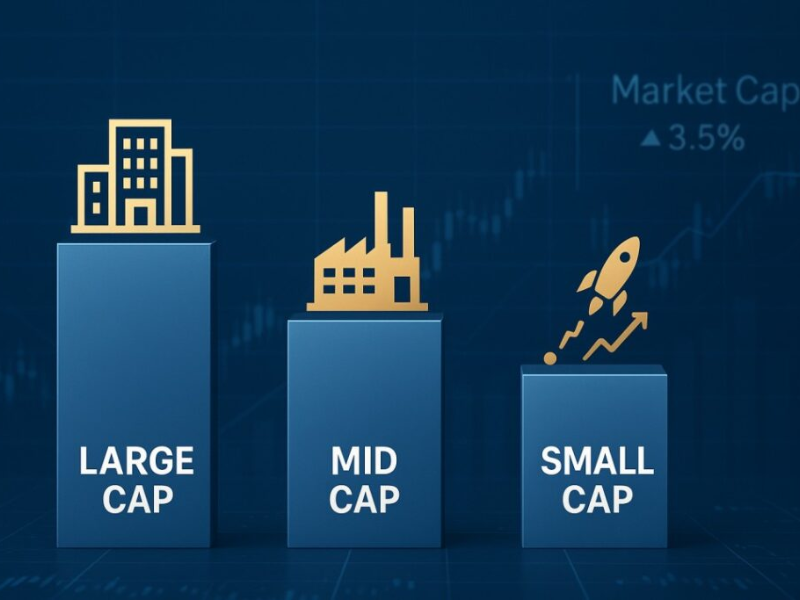
Before comparing two mutual funds, check whether they belong to the same category.
For example, a large-cap fund and a small-cap fund have different investment strategies and risk levels.
Small-cap funds invest in smaller companies. They can offer good growth opportunities but may also see bigger ups and downs.
Large-cap funds invest mainly in larger and more established companies. They may behave differently during market conditions.
So, don’t compare funds only because one has given higher returns.
Compare funds with similar categories and investment objectives.
3. Look at Consistency
Don’t ask only:
“Which fund gave the highest return?”
Also ask:
“How has the fund performed over different market conditions?”
Markets can go up, go down, or remain almost flat.
A fund may perform very well during a rising market but may not perform as well when the market falls.
Look at how the fund has performed over different periods instead of focusing on just one year’s return.
A fund with consistent performance may be more suitable for a long-term investor than a fund that had one exceptional year.
4. Check What the Fund Invests In
Before investing, take a look at the fund’s portfolio.
Check:
- Top companies in the portfolio
- Sector allocation
- Number of companies
- Whether the portfolio is diversified
- Whether it matches the fund’s objective
This can help you understand where your money is actually being invested.
It can also help if you already have multiple mutual funds.
Sometimes, two different funds may hold many of the same companies. In that case, you may not be as diversified as you think.
5. Understand the Risk

Every investment comes with some level of risk.
Mutual funds use a Riskometer to show the risk level of a scheme. It can range from Low to Very High.
Before investing, check whether the risk level is comfortable for you.
A fund may have good past returns, but that does not mean it is suitable for every investor.
Your investment time period and ability to handle market ups and downs are also important.
Don’t choose a fund only for its return. Make sure you understand its risk too.
6. Look at the Costs
Costs can also affect your investment returns.
One important factor to check is the expense ratio.
A lower expense ratio can be helpful, especially when you are investing for many years.
However, don’t choose a fund only because it has the lowest cost.
Look at the complete picture:
- Fund objective
- Risk
- Portfolio
- Performance consistency
- Expense ratio
The right fund is one that fits your investment needs, not simply the one with the lowest cost.
How to Choose a Mutual Fund: A Simple Rule
Choosing a mutual fund is not about finding the fund that gave the highest return last year.
It is about finding a fund that matches your goal, investment period, and risk comfort.
Before investing, take some time to understand the fund and its portfolio. Avoid choosing a fund simply because it is at the top of a return chart.
Equity Optima Insight
Choose a mutual fund based on your financial goals — not just its past returns.